Is Your Sunscreen Protecting or Harming Australia's Great Barrier Reef?

Impact on the Reef
Every day, as people bask along the sandy shores of Cairns Esplanade Lagoon, there's an unseen ripple effect caused by the sunscreens they use. Among various factors, chemical-laden sunscreens pose a significant threat to marine ecosystems, which include the precious and vast expanse of the Great Barrier Reef Marine Park. Specifically, certain chemicals in sunscreens, such as oxybenzone and octinoxate, have been shown to be particularly harmful to coral reefs. They can result in coral bleaching and even interfere with coral reproduction, which ultimately hinders coral resilience against climate change impacts.
Key Threats from Sunscreens
Research indicates that active ingredients in many commercial sunscreens can contribute to coral bleaching and destruction. These substances, when they wash off into the ocean, become toxic to marine organisms at remarkably low concentrations. This consideration is crucial for those visiting our unique and biodiverse coasts, who want to enjoy nature while ensuring their activities do not inadvertently harm it.
Chemical Effects on Coral
Scientific insights reveal that certain chemicals in sunscreens can lead to coral bleaching by promoting viral infections. Bleaching weakens corals, rendering them susceptible to disease and death. Prolonged exposure to these chemicals not only affects corals but also disturbs the symbiotic relationships between corals and other marine life forms.
Ecosystem Consequences
The ramifications of sunscreen pollution extend beyond corals. Disruptions in coral health can alter fish populations, who depend on reefs as nursery grounds. The cascade effect can be devastating for entire marine ecosystems. This awareness is vital for eco-conscious individuals seeking to protect these beautiful aquatic environments by considering alternatives like baby sunscreen options, which often offer gentler formulations on delicate marine ecosystems.
Choosing Eco-Friendly Sunscreens
In my role as a marine biologist from Cairns, I've observed the delicate balance of marine ecosystems, particularly within the Great Barrier Reef Marine Park, which is why selecting eco-friendly sunscreens holds critical importance. It's all about considering every component in what you apply to your skin.
Ingredients to Avoid
To uphold environmental health, avoiding harmful ingredients is essential when choosing sunscreen. Chemicals like oxybenzone and octinoxate are notorious for causing coral bleaching, disrupting marine life and ecosystems. Especially when visiting natural treasures like the Great Barrier Reef. Opt for reef safe sunscreen to ensure you aren't contributing to these destructive processes.
Evaluating Certifications
Certifications play a crucial role in identifying environmentally responsible sunscreens. The "Reef Safe" label inherently reflects its potential minimal impact on marine life. Additionally, certifications like "EcoCert" or "Australian Certified Organic" help ensure that the products in question have met rigorous environmental standards, offering reassurance.
Eco-Conscious Packaging Options
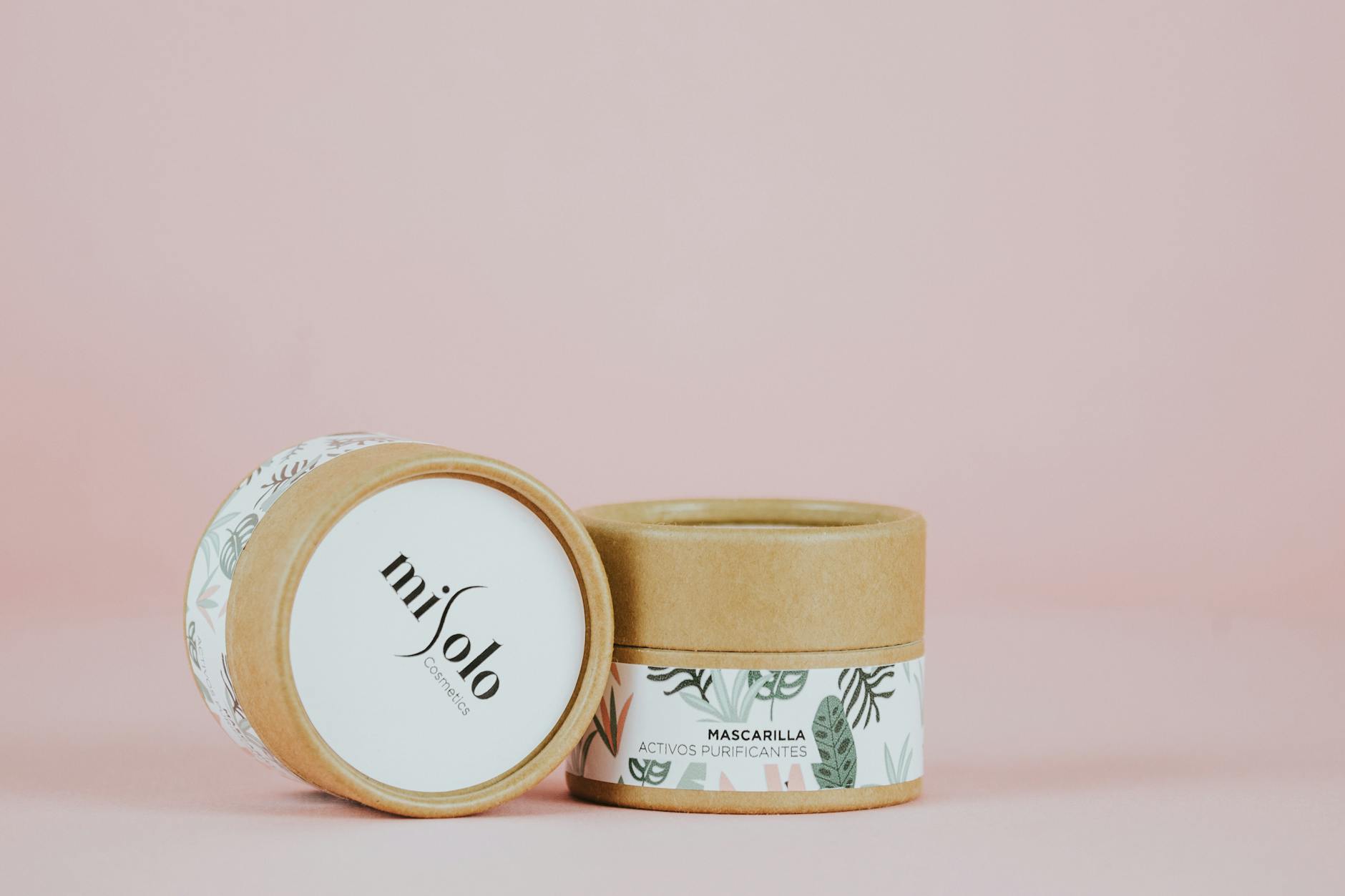
Beyond the product's formulation, packaging is another aspect worth considering. Eco-conscious brands often employ materials and methods that minimize waste, using things like biodegradable or recyclable containers. These practices reflect the broader move toward sustainable production, aligning with the essential principles of conservation.
By making these thoughtful choices, you contribute positively to the preservation of fragile ecosystems. A collective effort in sunscreen selection tailored for both personal and ecological well-being supports the ongoing survival of marine parks and their inhabitants.
Best Practices for Protection
Time-Sensitive Application
Applying sunscreen at the right time can significantly enhance its effectiveness. Ideally, the application should occur about 20 minutes before sun exposure. This allows the product to form a protective barrier on the skin, reducing the risk of harm from harmful UV rays. It's a simple yet crucial step that often goes overlooked, especially when you're eager to explore sun-soaked paradises like the Fitzroy Island National Park.
Complementary Sun Protection
Sunscreen isn't the only tool at our disposal. To truly combat UV radiation, consider an integrated approach that includes physical sun shields. Wide-brimmed hats and UV-filtering sunglasses can provide substantial protection. Long-sleeved shirts made from lightweight, breathable fabrics are also recommended. This dual approach is particularly crucial in environments where the sun is both intense and unrelenting.
Reapplication for Maximum Safety
Reapplication is critical, especially if you're swimming or sweating. For reliable protection, reapply every two hours. If you're using a zinc sunscreen, the mineral-based agents sit atop the skin, offering a reflective layer against UV photons. Consistent reapplication not only safeguards your skin but also demonstrates an ongoing commitment to protecting our cherished marine environments.
Using these best practices ensures comprehensive sun protection and supports the mission of preserving the Great Barrier Reef Marine Park.
Common Errors in Sun Protection
Misreading Product Labels
It's crucial to decipher sunscreen labels accurately to mitigate their impact on our reefs, especially considering the chemical effects on coral. Many assume ‘reef-safe’ means free of harmful chemicals. However, beyond just this label, scrutinise ingredient lists for potential dangers. Eco-conscious packaging options might proclaim environmental friendliness, but the real telltale lies in avoiding ingredients like oxybenzone and octinoxate. For those frequenting the Great Barrier Reef Marine Park, using products aligned with genuine eco-friendly standards helps counteract threats from sunscreens.
Dependence on Sunscreen Alone
Overrelying on sunscreen can be a misunderstanding, potentially jeopardising not only personal safety but also the health of marine ecosystems. While sunscreens play a pivotal role in combatting UV radiation, they should be part of a broader strategy. Incorporate physical barriers such as UPF-rated clothing and wide-brimmed hats, especially when exploring wonders like Fitzroy Island National Park. This holistic approach ensures that your protection doesn't merely rest on chemical formulations.
Insufficient Protection Habits
Achieving effective protection requires consistent and informed habits. Mistakes such as skipping reapplication or neglecting additional measures weaken overall sun safety. Time-sensitive application is key; sunscreen should be applied 20 minutes before sun exposure and reapplied every two hours, or more frequently if swimming in places like the Cairns Esplanade Lagoon. Ensure a comprehensive strategy that embraces eco-friendly choices and practical sun defense for optimal protection.